The Possum-Merino Felt Project
The big picture
Pollution from synthetic fibres is now recognised as the dominant form of plastic pollution on the world's shorelines — accounting for around 85% of microplastic debris found along beaches globally. Every wash of a synthetic garment releases microfibres that pass through wastewater systems and into the oceans, where they enter the food chain through fish and shellfish. These same microplastics are now being found in human tissue, and emerging research is increasingly linking their bioaccumulation to cancer.
There's an honest reason that synthetic fibres took hold: they're warm, light, affordable, and fast-drying — and for thermal performance in particular, no natural fibre had come close. Until the New Zealand brushtail possum entered the conversation.

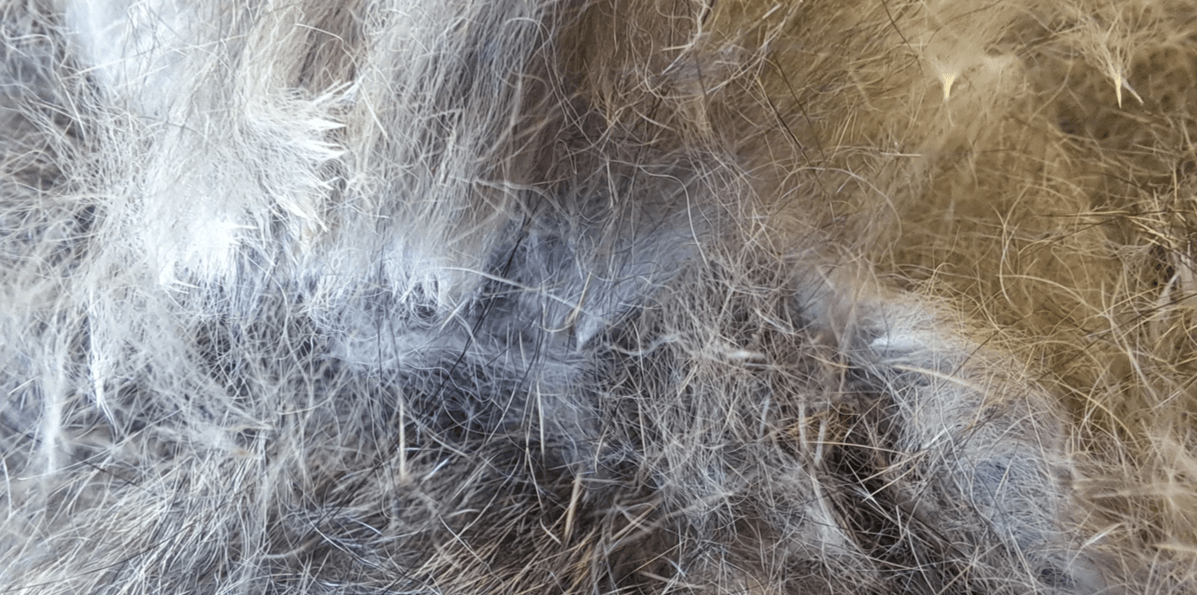
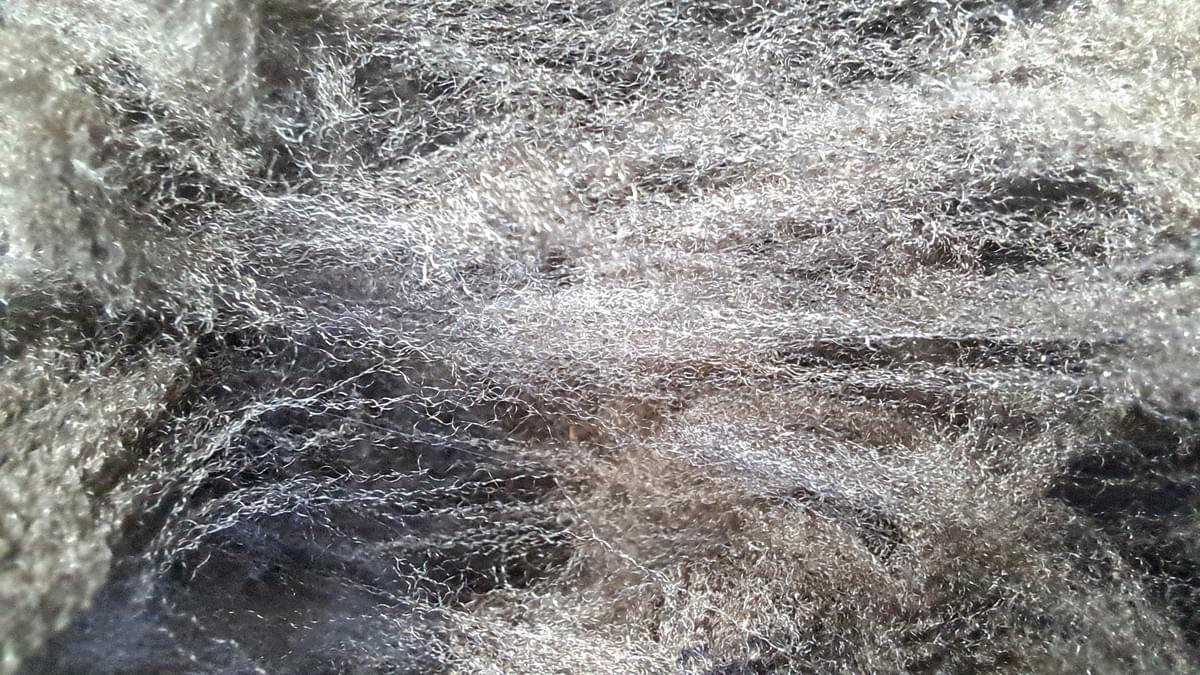
A close-up of possum fibre
Possum fibre is nature's thermal fibre. Its hollow-cored structure is shared only with polar bear fur and arctic fox, making it the third warmest fur known. The hollow shaft traps air, and air is the most effective insulator nature has. Independent testing — including by the University of Otago — has shown possum fibre to be approximately 50% warmer than merino wool and 35% warmer than cashmere at the same weight and knit structure. Of the three warmest natural fibres in the world, it is the only one harvested as part of conservation work.
But possum cannot do this work alone. Its fibres are short, fine, and lack the structural integrity to spin, knit, or felt without help. Merino is its indispensable partner — its longer, crimped fibres give the blend body, drape, durability, and spinnability, while contributing its own remarkable thermal and moisture-regulating properties. Possum and merino do not merely co-exist in a blend. They complete each other.
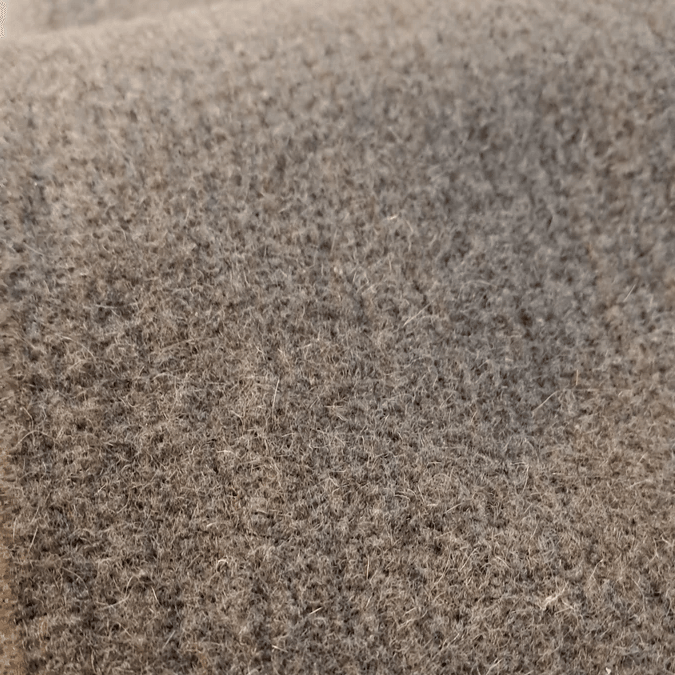
A close-up of saxon merino wool from Harkaway Farm, Waipapa Bay, Kaikoura
The Possum-Merino Felt Project exists to develop the untapped potential of this partnership — particularly as felt, pre-felt, and sliver for spinners — alongside pure possum, Saxon merino, and rare heritage wools for fibre artists in New Zealand and overseas. We work in small, considered quantities. We supply makers running their own businesses under their own names. And we trade in the old way — by approval, by trust, and by relationship.
Behind all of it, quietly, is a deeper purpose: that markets which value this fibre can support a different way of caring for the New Zealand bush.
In other words: if fibre mills around the world could blend possum with their own locally grown fine fibres — producing their own 'natural thermal fibre' — possum would come to be seen for what it is: a resource with real potential to reduce the world's reliance on synthetic fibres.
Could it be that part of the answer to the world's microplastic problem is sitting in our native bush, eating the native bush? Here's a video made by Julian Bracegirdle, showing an example of the damage done by possums to the bush.
A shift in how we view possums and possum fibre could open a real export future for New Zealand — one that helps other countries reduce their reliance on synthetic fibre, while letting us care for our own bush without aerial 1080.
It could also increase farmers' net worth, by clearing possums from their land without the risks of aerial poisoning. And it could support families in both rural and urban areas — for possums are found in cities too — offering meaningful work to those who would like to spend their working lives outside in nature.
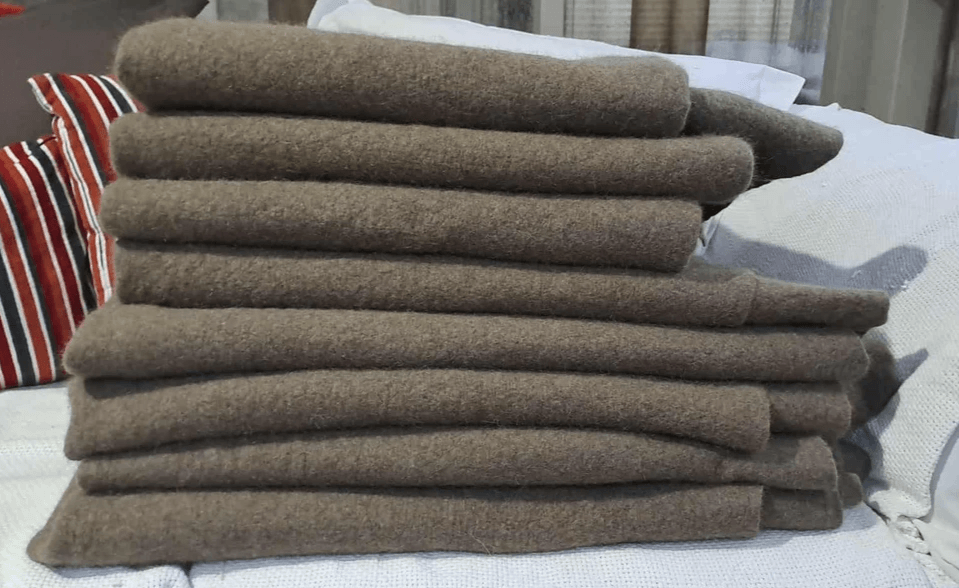
This is why we've chosen felt as a vehicle for demonstrating its potential. Others are already making possum-merino yarn well, and we don't want to compete with them. But as far as we know, no-one has yet developed possum-merino as a felt — and we see enormous, untapped potential there.

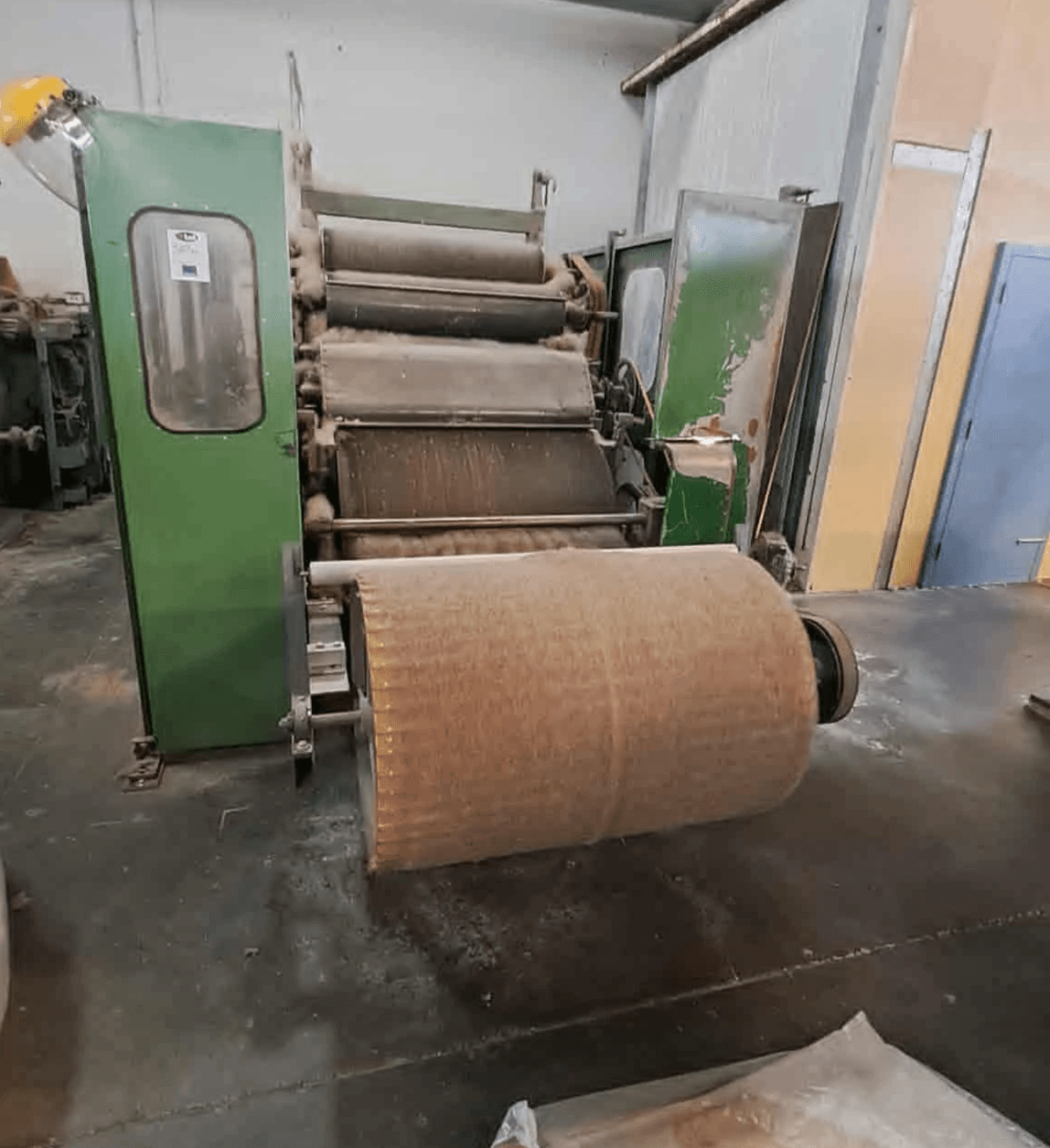
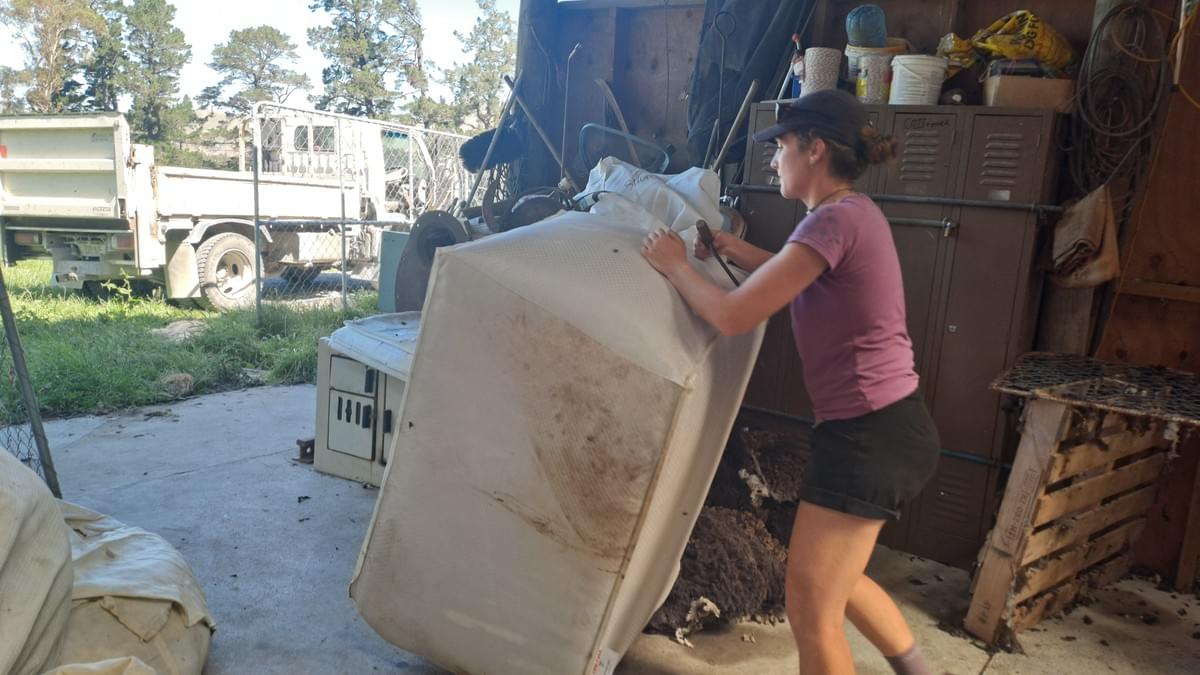
The batting machine at Wild Earth Yarns.

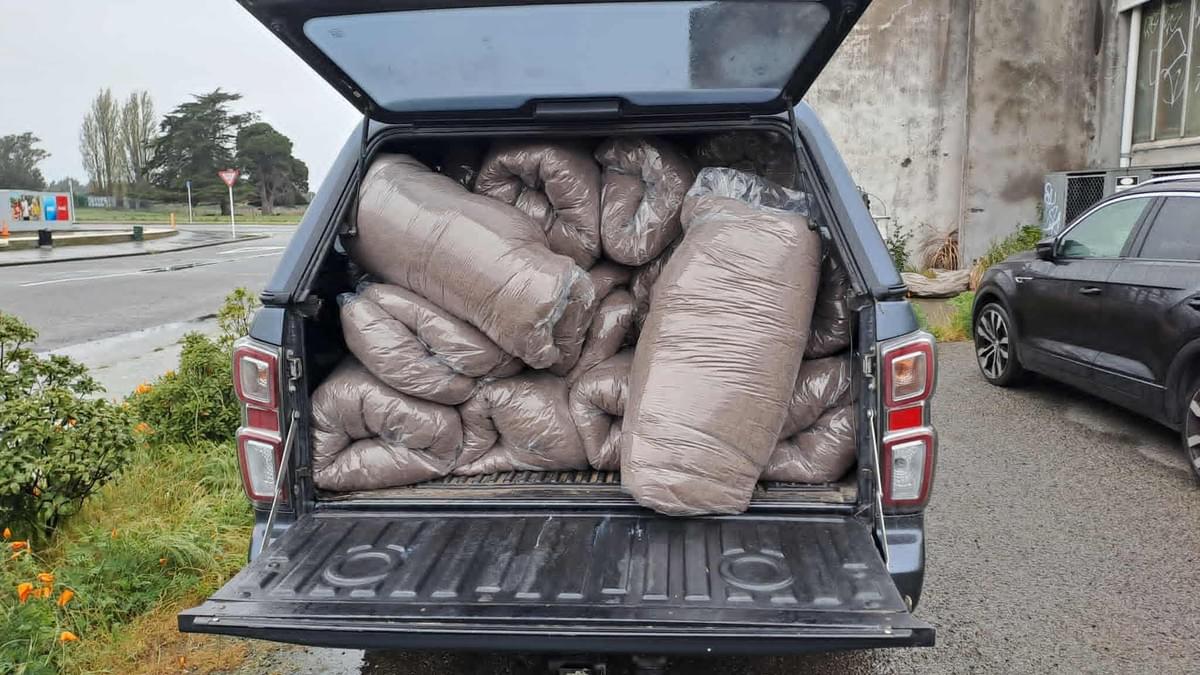
Rolls of batting, ready for us to turn into felt.
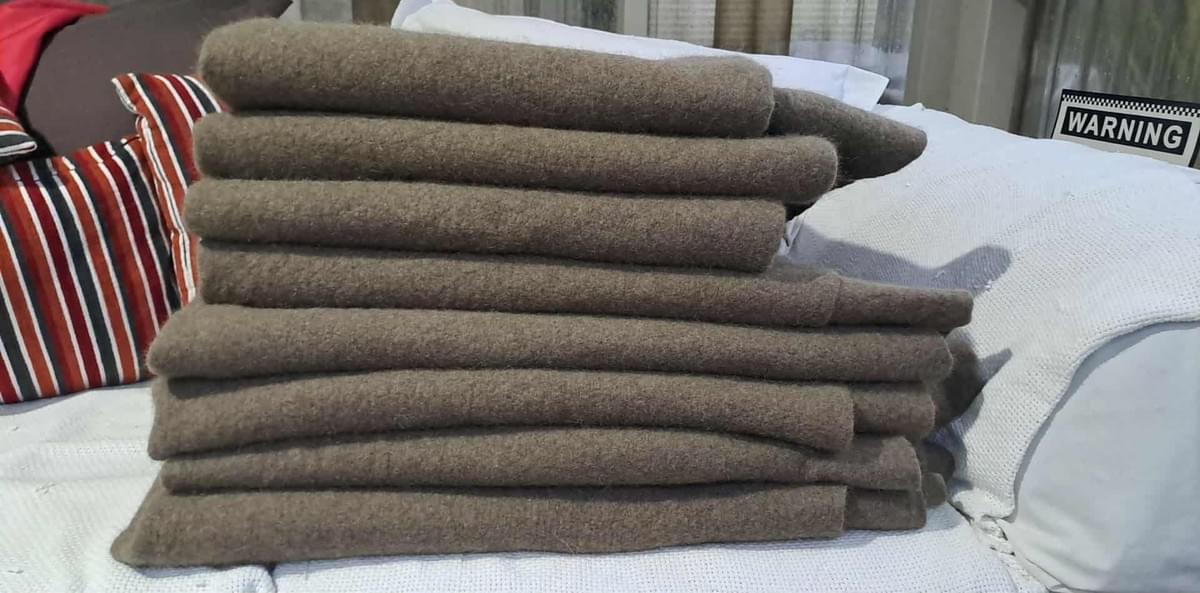
Our current work is to develop a portfolio of samples demonstrating what possum-merino felt can do: how it drapes, how it holds, how it can be dyed, sculpted, layered, and used. Real examples, made here in New Zealand, that show fibre mills and makers what is possible when this fibre is allowed to be more than yarn.
Our portfolio of possum-merino felt samples will be made available both online and in physical form, for the consideration of makers, fibre mills, and investors who can see what we see.
If you would like to see the portfolio when it's ready, or to talk with us about what possum-merino felt could become, please get in touch.Online Shop
Coming Soon
Preparing 100g of sliver for customers, so it can be easily used by spinners, unravelling from the centre.
Possum trapper Julian Bracegirdle explains how fibre artists around the world can help NZ solve two terrible environmental problems.
Elisabeth making felt on the FeltLoom.
Elisabeth making a very thick piece of felt on the FeltLoom.
Gallery
This is a photo story of the Possum-Merino Felt project, starting with the arrival of the FeltLoom from Kentucky USA.
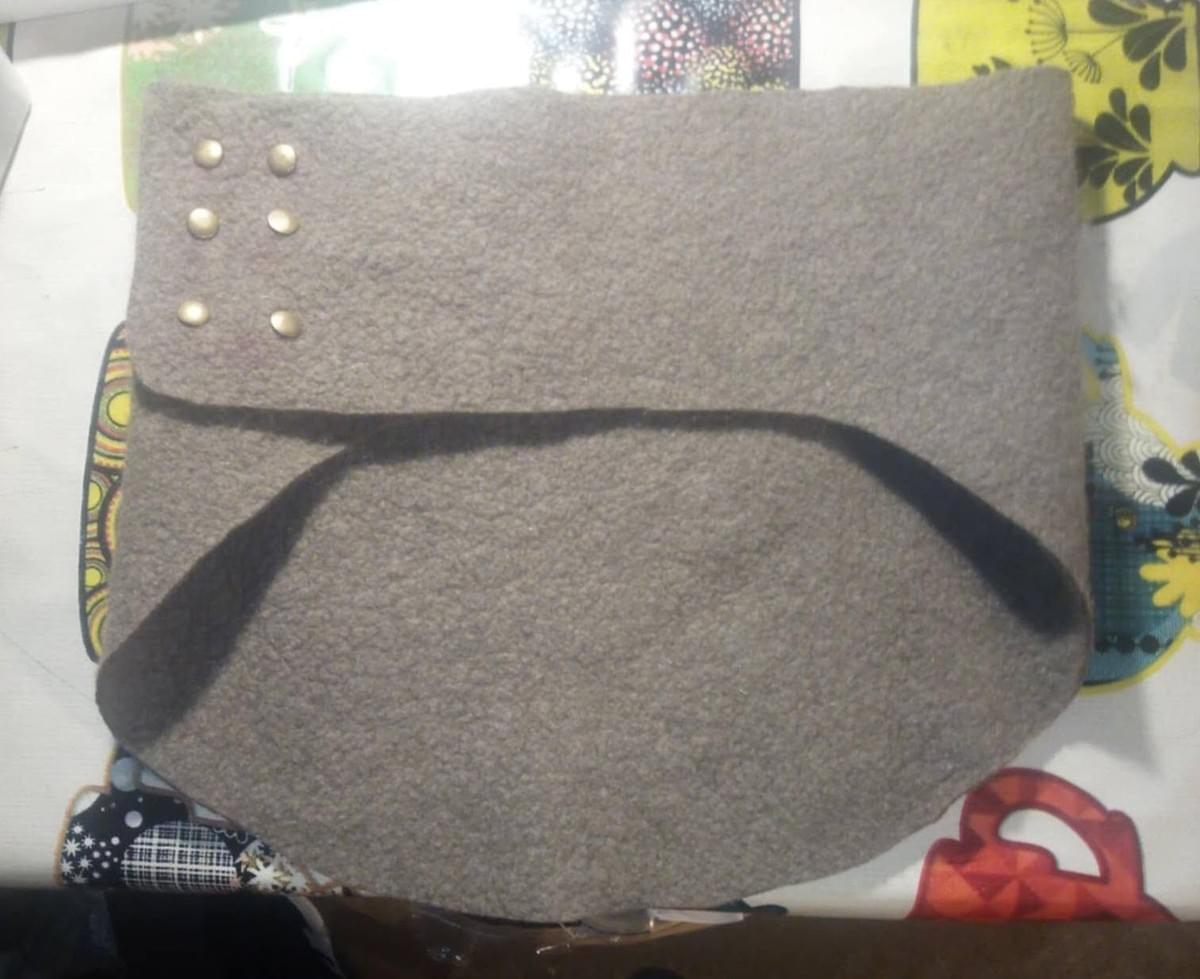
Click on the photos to learn more.
About
We see untapped potential for possum-merino fibre to be used as a felt, rather than just as a yarn.
We also see this as a potential way of paying possum trappers properly for their efforts, to encourage ground-based and toxin-free solutions to solve the 'possum problem', in a way which is swift and humane - rather than the extreme cruelty of aerial 1080 poisoning - and which does not compromise other animals, birds, bees and insects, or the enviroment or groundwater, and subsequent sea life.
If you don't know what 'aerial 1080 poisoning' means, it means flying helicopters over the native bush and mechanically ejecting poisoned food baits out from hoppers suspended under the helicopters, into the bush below, to deliberately to kill possums, and rats and stoats.
We invite you to do some research into the concerns about 1080, from both ordinary New Zealanders and from our government, who in 2019 committed $20 million to research alternatives to 1080.
We also see potential for fibre artists, small manufacturers and small fibre mills around the world to not only experience and directly benefit from possum fibre and possum-merino fibre, but also to help New Zealand solve some huge environmental problems.
The two fibres have been commercially blended and carded by Wild Earth Yarns (Christchurch) into batting and sliver, in a ratio of 25% possum to 75% merino. We use the batting in our Feltloom to make pre-felt and fulled felt. We send the sliver direct to customers for spinning and hand felt making.
If you're looking for unprocessed possum fibre, we have a sister website and shop at www.nzpossumfibre.co.nz
Feel free to contact me directly for more information.
Contact
22 Pacific Drive
Rakaia Huts
RD3 Leeston
Canterbury 768364 27 451 4081
© 2019. Proudly built with Strikingly.